Zenitha: A Modern Script Font for Web Design
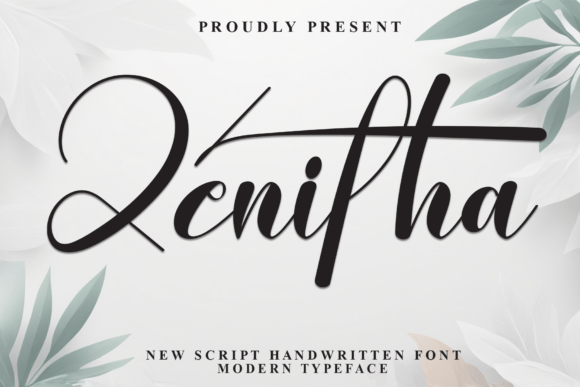
In the fast-paced world of digital product creation, typography is often the first element a user notices before they even process the content. As web designers and UI specialists, we constantly search for typefaces that bridge the gap between aesthetic appeal and functional clarity. Zenitha emerges as a compelling solution in this space, offering a sophisticated handwritten script that feels both organic and contemporary. Unlike traditional calligraphy fonts that can feel stiff or overly formal, Zenitha captures a sense of fluid energy, making it an ideal choice for modern brand identities that aim to feel approachable yet premium.
When integrating a script font into a website or application, the primary challenge is maintaining readability without sacrificing style. Zenitha addresses this by balancing intricate loops with clear character structures. This makes it particularly effective for high-impact areas such as hero sections, landing page headers, and banner graphics. For digital creators, having a font that performs well across various screen sizes is non-negotiable. Zenitha’s design ensures that its elegant curves remain distinct even when scaled down for mobile views, provided it is used at an appropriate size for headings rather than body copy.
Enhancing Visual Hierarchy and Brand Tone
Visual hierarchy guides the user’s eye through a layout, helping them understand what is most important. In web design, we often rely on weight and size to create this structure. However, style contrast is equally powerful. Using Zenitha as a display font for main titles creates an immediate focal point. Its handwritten nature introduces a human touch to digital interfaces, which can significantly boost brand trust and emotional connection. This is especially valuable for coaching websites, boutique online stores, and creative portfolios where personality drives conversion.
Consider a landing page for a lifestyle course or a digital product launch. A standard sans serif font might communicate efficiency, but it may lack warmth. By pairing a clean, geometric sans serif for body text with Zenitha for the headline, you create a dynamic tension that keeps the user engaged. The script font draws attention to the core value proposition, while the simpler typeface ensures the supporting details are easy to scan. This combination supports a consistent online identity that feels both professional and personal.
Practical Applications in Digital Layouts
The versatility of Zenitha allows it to shine in various digital contexts. Here are some specific ways to leverage this typeface in your next project:
- Hero Sections: Use Zenitha for large, impactful headlines on homepage banners. Its flowing lines add movement to static images, creating a more immersive experience.
- Call-to-Action Areas: While not suitable for small button text due to readability concerns, Zenitha works beautifully for larger CTA headers or promotional badges that sit above primary buttons.
- Blog Graphics and Social Media: Create cohesive social media graphics and blog headers that align with your website’s aesthetic. This consistency reinforces brand recognition across platforms.
- Testimonials and Quotes: Highlight customer reviews or key quotes in a distinct style. The handwritten feel of Zenitha can make testimonials appear more authentic and personal.
- Logo Design: For brands seeking a bespoke look, Zenitha can serve as the foundation for logo design, particularly for businesses in fashion, beauty, wellness, or creative services.
When using Zenitha in these areas, pay close attention to spacing. Script fonts often require careful kerning to ensure letters connect naturally without overlapping awkwardly. Most premium font packages include guidance on ligatures and alternates, which can help customize the flow of specific words to fit your layout perfectly.
Readability and Responsive Design Considerations
One of the most critical aspects of using a script font like Zenitha is ensuring it remains legible on all devices. Mobile responsiveness is not just about shrinking elements; it is about rethinking how typography behaves on smaller screens. On desktop, Zenitha can be used at larger sizes with generous line height to emphasize its elegant loops. On mobile, however, you may need to increase the font size slightly to maintain clarity, as intricate details can blur if rendered too small.
Contrast is another vital factor. Zenitha performs best against clean, uncluttered backgrounds. If you are placing the font over an image overlay, ensure there is sufficient contrast between the text color and the background. A semi-transparent dark overlay behind white text, or vice versa, can help the delicate strokes of the script stand out. Avoid using Zenitha for long paragraphs or small UI elements like navigation links or footer text, as its decorative nature can hinder quick scanning.
Font Pairing for Editorial and Modern Web Design
Successful typography relies on harmony. Zenitha, being a expressive script font, pairs best with neutral, structured typefaces. A modern sans serif font is the safest and most effective partner, providing a clean canvas that lets Zenitha shine without competition. For a more editorial or luxurious feel, consider pairing it with a high-contrast serif font. This combination can evoke a sense of tradition and sophistication, suitable for high-end e-commerce sites or digital magazines.
Avoid pairing Zenitha with other decorative or handwritten fonts, as this can create visual chaos and reduce readability. The goal is to create a clear distinction between heading and body text. By keeping the supporting typography simple, you ensure that the user’s attention is directed exactly where you want it. This principle applies to everything from SaaS dashboards to personal portfolio sites.
Licensing and Technical Implementation
Before implementing Zenitha in any commercial project, it is essential to review the licensing terms. Most premium fonts offer different licenses for personal use, commercial web projects, and app embedding. Ensure you have the appropriate webfont license if you plan to host the font files on your server or use a service like Adobe Fonts or Google Fonts if available. Check for included file formats such as WOFF and WOFF2, which are optimized for web performance and faster loading times.
Additionally, verify multilingual support if your target audience is global. A robust font family will include extended character sets to accommodate various languages, ensuring your brand message remains consistent across regions. By paying attention to these technical details, you ensure that Zenitha not only looks beautiful but also performs reliably in live environments.
Incorporating Zenitha into your design toolkit offers a way to inject personality and elegance into digital experiences. Whether you are designing a conversion-focused landing page or a visually rich online store, this script font provides the balance of style and usability needed to create memorable brand interactions.